Warm Rooms, Cool Heads: A UK Homeowner's Guide to Plug-In Heater Safety This Winter
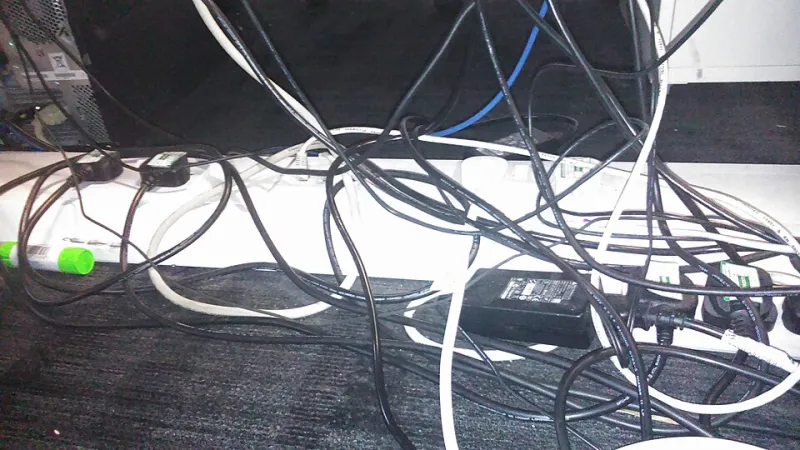
Photo: 247homerescue, CC0, via Wikimedia Commons
As November 2026 brings colder weather, many UK households reach for plug-in heaters, heated throws, heated airers and temporary drying solutions. These appliances are useful, but they are also high-load or long-running equipment, and they ask more of socket outlets, extension leads and fixed wiring than many homeowners realise. The aim is not to avoid them altogether, but to use them with a clear understanding of the risks and the checks that matter.
Start with the socket, not the heater
Before plugging anything in, look closely at the socket outlet. Discolouration, cracking, a loose switch, scorch marks, a smell of burning or a plug that sits loosely are all reasons to stop. Isolate the circuit if you can do so safely and seek advice from a qualified electrician. Check the plug top and flexible lead as well: bent pins, frayed cable, exposed inner wires or a cracked casing mean the appliance should not be used.
A plug may feel slightly warm under normal load, but it should not be hot to the touch. Heat, buzzing, arcing sounds or a brown mark around the socket are warning signs. A single 13 A socket outlet is not an invitation to run several high-load appliances at once. A 3 kW heater can draw close to 13 A on its own, and many double sockets are not intended for two continuous 13 A loads. If a heater, tumble dryer, washing machine or kettle is already using the circuit, adding another high-load item increases the risk of overheating.
Extension leads: short, uncoiled and correctly rated
Where possible, plug a heater directly into a wall socket. If an extension lead is unavoidable, use a short lead with a clear rating and keep it fully uncoiled. A coiled lead can trap heat, and a lead that is coiled under a rug or behind furniture has no easy way to dissipate it. Never daisy-chain one extension lead into another, and never run a lead through a doorway, under a carpet or across a walkway where it can be damaged or tripped over.
Some appliances should never share an extension lead with a plug-in heater. That includes another heater, a tumble dryer, a washing machine, a dishwasher, a kettle, an iron or a hairdryer. Nor should a heater be plugged into a multi-way adaptor alongside other high-load equipment. If the lead or adaptor feels hot, smells of hot plastic or shows scorch marks, stop using it immediately.
Heat, fabric and temporary drying
Plug-in heaters need space. Keep them clear of curtains, bedding, upholstery, papers and drying clothes. A common winter mistake is to drape washing over or near a heater to speed up drying. This can block ventilation, overheat the appliance and bring fabric into contact with a heat source. Heated airers and heated throws should be used according to the manufacturer's instructions, and no heater should be covered or left running unattended for long periods.
Temporary drying solutions deserve particular care. Do not place a heater in a small enclosed space with damp washing, and do not use an outdoor appliance indoors. Keep children and pets away from trailing leads and hot surfaces. If a heater has been knocked over, damaged or exposed to water, do not plug it back in until it has been checked.
When a warm socket or tripping RCD means call an electrician
A warm plug top under load may be normal, but a hot plug, a warm socket faceplate, a burning smell or a buzzing sound is not. Switch off and unplug the appliance if it is safe to do so, and arrange for an inspection. If an RCD or RCBO trips when the heater is used, it is doing its job by detecting a fault. Do not keep resetting it and hoping the problem will disappear. Unplug the appliance, try a different circuit only if it is safe and appropriate, and call a qualified electrician if the tripping continues.
Repeated tripping can point to a faulty appliance, a damaged lead or a problem in the fixed wiring. A socket that is warm even when nothing is plugged in, or a circuit that trips when several appliances are used, also needs professional attention. If the installation has no RCD protection at the socket, ask for advice rather than relying on an adaptor with a test button as a permanent solution.
A simple pre-winter routine
Before the cold snap settles in, check each heater and lead for damage, confirm that extension leads are rated for the load and keep high-load appliances on separate circuits where possible. Test RCDs using the test button if fitted, keep combustibles clear of heat sources and never leave a heater running unattended. If anything feels uncertain, isolate the circuit and ask a qualified electrician. Jaydee Electrical would rather answer a question before an appliance is plugged in than attend an avoidable overheating incident later.