Illuminating the Exterior: A Safe Approach to Festive Lighting for UK Homes

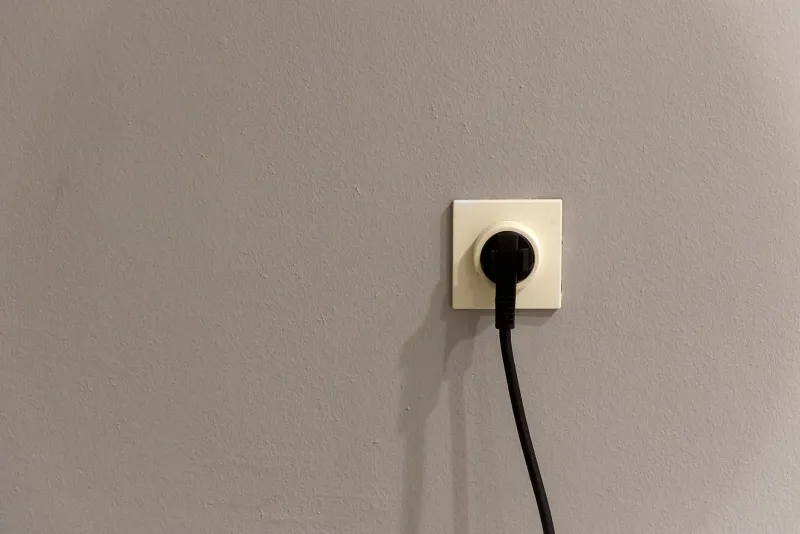
Photo: JiriMatejicek, CC BY-SA 4.0, via Wikimedia Commons
Festive lighting transforms the exterior of a home, but it also introduces a temporary electrical installation to the most exposed part of the property. Rain, wind, damp ground and long cable runs are not ideal companions for electrical equipment. The objective is not to discourage outdoor displays, but to plan them with the same care that would be applied to any other outdoor electrical load.
Begin with the power source, not the decorations
Before deciding where the strings of lights will hang, establish where the power will come from. A dedicated outdoor socket is preferable to passing an indoor extension lead through a window or door. If an indoor socket must be used temporarily, the lead should be suitable for the purpose, fully unwound and protected from rain. Door and window frames can crush cable insulation, and a crushed cable is a fault waiting to happen.
Check the rating of the supply circuit and the RCD protection serving it. A residual current device is a critical safety layer for outdoor equipment. It should be tested before the display is installed. If the RCD trips when the lights are connected, the correct response is to investigate the cause, not to bypass the device or repeatedly reset it.
Understanding IP ratings in practical terms
Outdoor electrical products carry an IP rating. The first digit relates to protection against solid objects, while the second relates to water. For festive lighting, the second digit deserves particular attention. A fitting marked IP44 offers protection against splashing water, whereas IP65 indicates protection against water jets. Products described as waterproof should still be read carefully, because the rating applies to the product in its intended condition, not to a damaged cable or a connection left lying in a puddle.
Plugs and transformers are often the weakest point in a display. Even when the lights themselves are outdoor-rated, the connection point may not be. Keep connections clear of standing water and, where possible, raise them above ground level. Purpose-made weatherproof enclosures can help, provided they are suitable for the plugs in use and are not sealed while damp.
RCD protection and portable devices
Where an outdoor socket does not have built-in RCD protection, a portable RCD adaptor may provide a temporary layer of protection for a plug-in display. It must be rated correctly and used according to the manufacturer's instructions. A portable device is not a substitute for a properly protected final circuit, but it is preferable to using an unprotected indoor socket for outdoor equipment.
Test the RCD before use and after any significant weather event. If the device fails to trip when tested, it should not be relied upon. For any permanent outdoor installation, the protection arrangements should be designed as part of the circuit and confirmed by a qualified electrician.
Extension leads and load discipline
Festive lights are often low-power LED products, but transformers, controllers and older incandescent sets can add to the total load. Extension leads should be rated for the current they will carry and should never be daisy-chained. A lead coiled tightly during use can heat up, particularly under load, so it should be fully unwound.
Outdoor-rated leads are preferable for exterior use. Connections should be kept dry and supported rather than left on wet paving. If the display requires several leads, plan the layout so that each lead serves a defined group of lights and the total load remains within the rating of the supply. Adaptors that multiply socket outlets should not be used outdoors unless specifically designed and rated for the environment.
Cable routing and physical protection
Cable routing is as important as electrical rating. Trailing cables across paths create trip hazards, while cables laid across lawns can be damaged by garden tools or foot traffic. Route cables away from standing water, sharp edges and areas where vehicles are parked. Where a cable must cross a walkway, a proper cable protector or an alternative route is safer than a loose lead.
Secure cables so that wind cannot pull on connections. Avoid hanging heavy transformers directly from a socket outlet. Keep all connections accessible for inspection and sheltered from direct rain. A visual check before switching on can reveal damaged insulation, loose plugs or water ingress.
Timers, controllers and unattended operation
Timers and smart controls can reduce energy use and ensure that lights are not left on unnecessarily. However, the controller itself must be suitable for its location. An indoor timer or smart plug should be kept inside a dry enclosure or used only with an indoor supply point. Outdoor-rated controllers are available and should be selected where the device will be exposed to weather.
Unattended operation should be limited to equipment that is in good condition and correctly protected. Switch the display off at the supply during severe weather or when the home is empty for an extended period. Battery-powered decorative lights avoid mains exposure entirely and may be preferable in locations where a safe supply cannot be achieved.
When a dedicated outdoor circuit is the safer option
For homeowners who install exterior lighting every year, a permanent outdoor socket or lighting circuit can be a more robust solution than repeated use of extension leads. A dedicated circuit can be designed with appropriate IP-rated accessories, RCD or RCBO protection and isolation. It also allows cable routes to be fixed and protected rather than laid out temporarily.
Such work should be carried out by a qualified electrician, who can assess the existing installation, confirm the protective arrangements and advise on compliance and any notification requirements. The cost of a dedicated circuit should be weighed against the inconvenience and risk of temporary arrangements, particularly where the display is substantial or the supply point is poorly located.
A final check before switch-on
Before the display is energised, confirm that outdoor fittings are rated for the location, that the RCD is working, that extension leads are unwound and within rating, and that cables are secured away from water and walkways. Keep connections dry and accessible. If anything appears damaged, overheated or unreliable, switch off and seek qualified advice. Festive lighting should be a pleasure to see, not a risk to live with.