The Cart Before the Current: Planning Smart Devices Around a Home's Existing Wiring
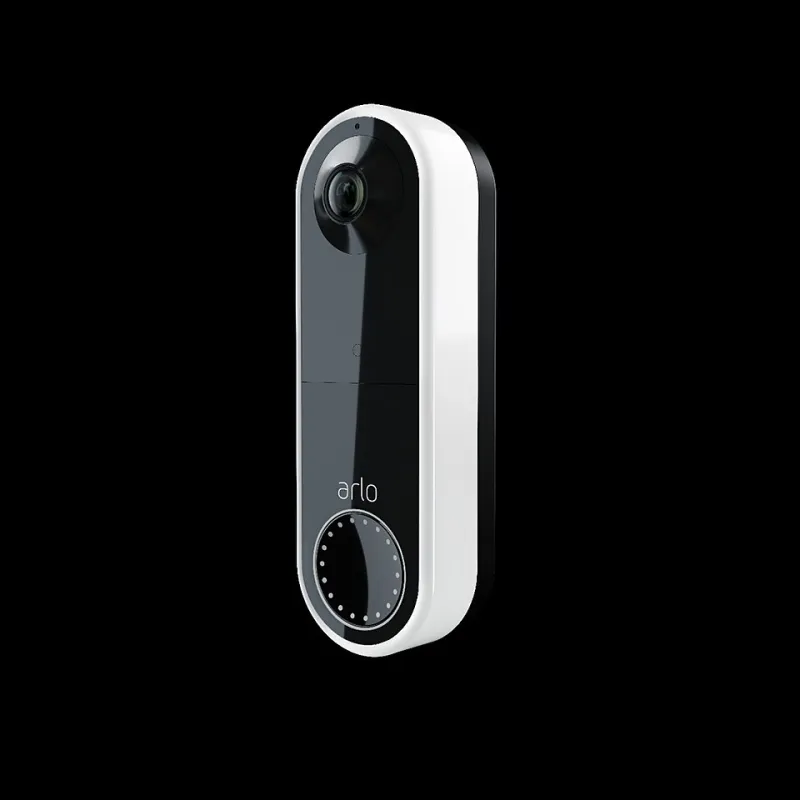
Photo: SalariéVerisure, CC BY-SA 4.0, via Wikimedia Commons
Smart doorbells, video cameras, dimmers and app-controlled switches arrive in small boxes with large promises. They are easy to order and easy to imagine in place. The trouble is that the buying decision usually comes first, while the wiring question comes later, once the wall has been opened or the old fitting has been removed. In a UK home, the limiting factor is rarely the gadget itself. It is the wiring behind it.
Why the Gadget Usually Arrives Before the Question
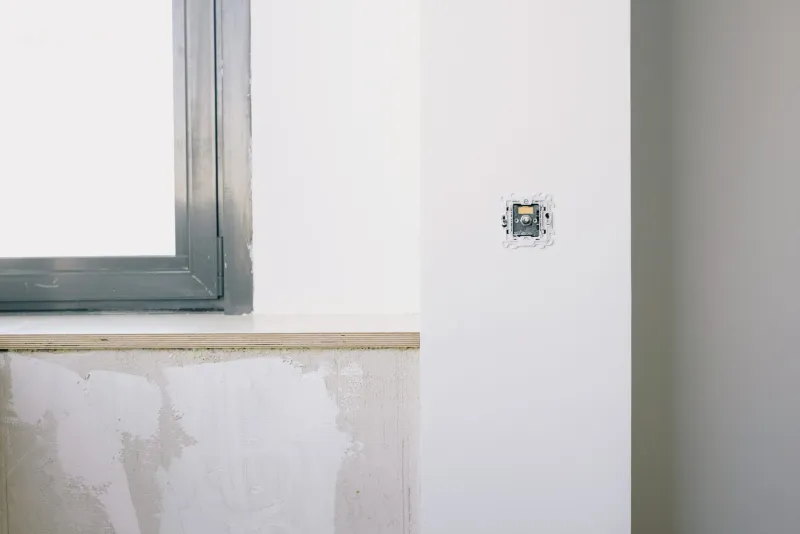
The appeal of a smart home is understandable. A doorbell that shows a visitor on a phone, a dimmer that can be set from an armchair, or a switch that follows a daily routine all sound like modest improvements. Each one, however, depends on a stable supply, a compatible load and a safe connection. Existing lighting circuits vary considerably between properties. Some have a neutral present at the switch position; many do not. Some back boxes are deep enough for a larger module; others are tight. The first practical step is not choosing a product but establishing what is already there.
The Neutral Wire Question
Many smart switches and dimmers need a neutral conductor at the switch position to power their internal electronics. In a conventional UK lighting circuit, the permanent live and neutral often run to the ceiling rose or a junction box, while the switch drop carries the switched live and an earth. A switch position without a neutral is not a defect; it is a common design. Some products are marketed as working without a neutral by allowing a small current to pass through the lamp. That approach can cause flicker, a faint glow from low-energy lamps, or unreliable operation. Before buying, confirm whether a neutral is available, or select a product expressly designed for two-wire operation and check it against the actual lamp load.
Transformers, Drivers and the Doorbell Chime
Video doorbells frequently require a transformer with an adequate volt-ampere rating, and existing doorbell transformers may be old, underpowered or unsuitable for continuous duty. Replacing one is not always a simple like-for-like swap; the rating, enclosure, isolation and cable suitability all matter. Dimmable LED lamps raise a similar issue. Leading-edge and trailing-edge dimmers are not interchangeable, and lamps and drivers are not universally compatible. Mixing brands without checking the manufacturer's compatibility list can produce buzzing, flicker or premature failure. If the information is not available, it should be treated as unknown rather than assumed.
Standby Loads and the Consumer Unit's Quiet Arithmetic
Each smart device draws a small standby current. One is negligible; a houseful deserves consideration. More significantly, electronic power supplies can produce small leakage currents that accumulate on a shared residual current device. A circuit that was stable with simple resistive loads may begin to trip when several devices are added. This is not a reason to remove RCD protection. It is a reason to review circuit division and protective-device selection. Separate RCBOs or a dedicated circuit can reduce nuisance tripping, but uprating a protective device to stop it tripping is not a safe solution.
Wi-Fi Is an Electrical Consideration Too
Placement affects performance. A camera fixed to metal cladding, behind foil-backed plasterboard or at the far end of a long garden may drop offline regardless of its specification. Power availability often dictates location, and location dictates signal. A brief survey can identify a mounting point that has both a practical supply and reasonable coverage, rather than drilling first and discovering the problem afterwards. For outdoor equipment, ingress protection and RCD protection matter, as does a cable route that will not be damaged by weather, tools or foot traffic.
Where DIY Adaptations Become a Safety Issue
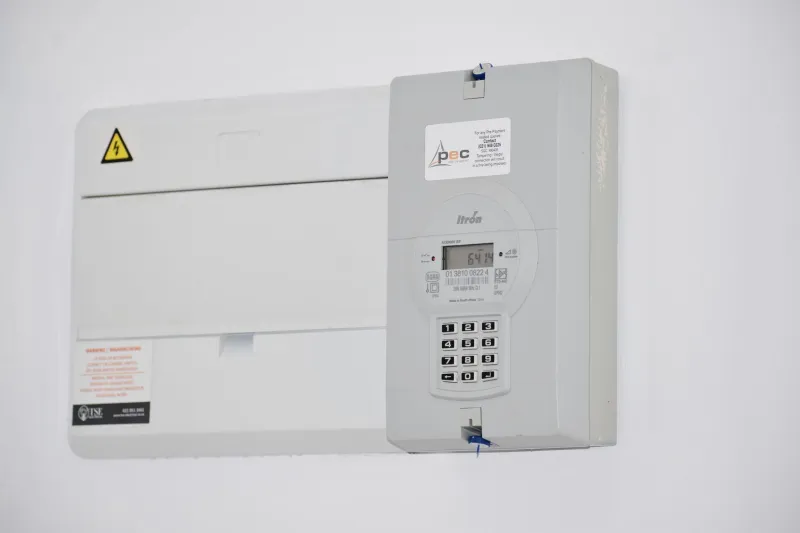
Common shortcuts include using a plug-in adapter to avoid wiring a doorbell transformer, bypassing a chime, connecting a smart switch without an earth, or leaving connectors outside an enclosure. Some of these choices are merely unreliable; others are unsafe. Work in bathrooms and outdoors, and the installation of new circuits, is notifiable under the Building Regulations in England and Wales and should be carried out by a competent person. Even work that is not notifiable must still be safe and compliant with the wiring regulations.
A Short Survey, Conducted Early
A short electrical survey before purchase can answer the questions that product listings do not. Is there a neutral at the switch position? What is the transformer rating? Can the consumer unit accept an additional circuit? Do the RCD tests give satisfactory results? Is there a reliable earth at the point of use? What is the Wi-Fi coverage like in the intended location? These checks are quicker and cheaper than returning devices, chasing faults or adapting wiring after the fact.
A Sensible Buying Order
A more disciplined sequence is straightforward. Identify the location and the function first. Check the wiring at that location. Confirm compatibility with the existing lamps, drivers, transformers and protective devices. Only then buy the product. For anything beyond a simple plug-in replacement, use a qualified electrician. Jaydee Electrical can carry out a short pre-purchase survey and advise on the safe route forward, so that the smart home is built on wiring that is ready for it.
The cart can follow the horse. In electrical terms, the current should come first.